
Difference Between Tourist Visa and Visit Visa

Voyaj
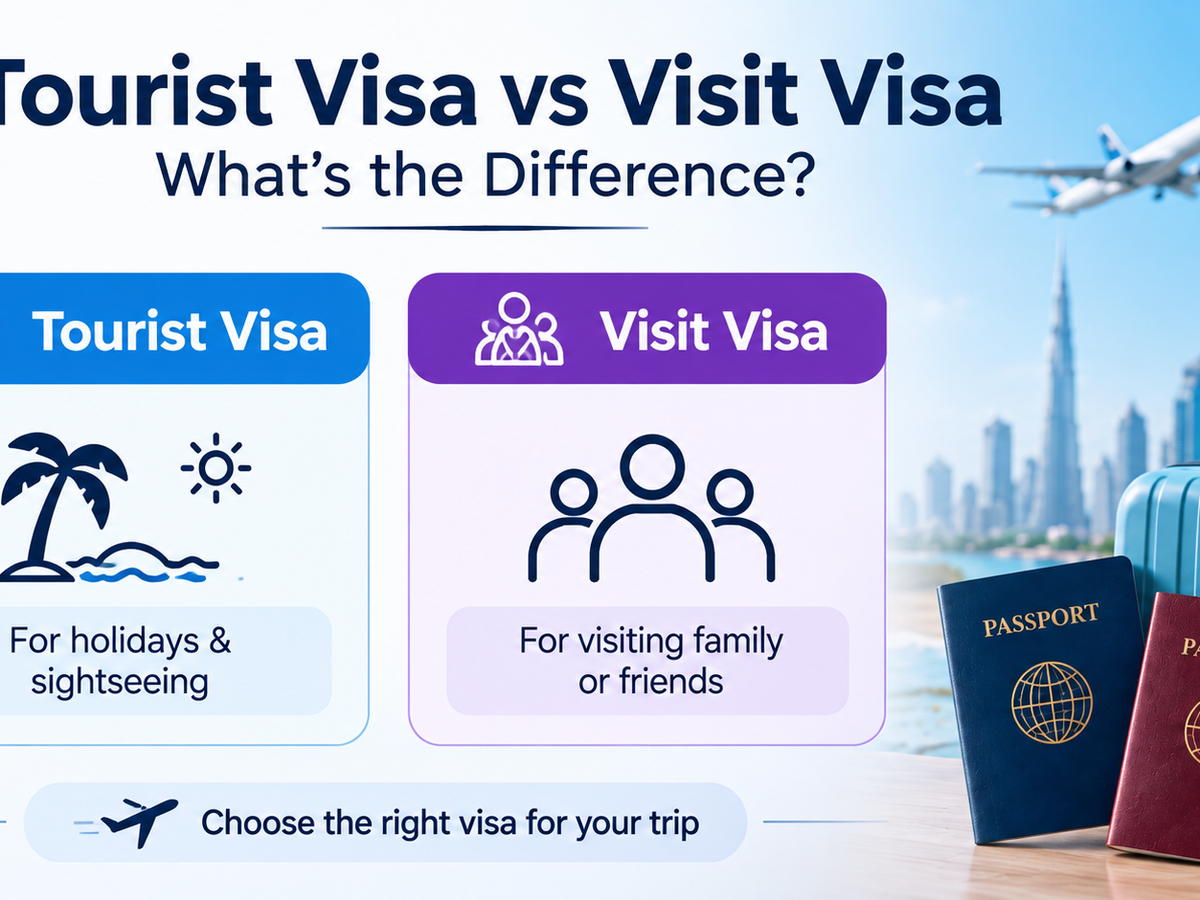
When planning an international trip, choosing the right visa is just as important as booking your flights and accommodation. Many travellers come across the terms tourist visa and visit visa and assume they mean the same thing. While they are similar in many ways, they can have different purposes depending on the destination country's immigration rules.
Choosing the wrong visa may lead to delays, additional documentation, or even the rejection of your application. Understanding the difference before applying helps ensure that you select the visa that matches the purpose of your trip.
In this guide, we'll explain the differences between tourist and visit visas, who they are meant for, their eligibility, required documents, and how to decide which one is right for your travel plans.
What Is a Tourist Visa?
A tourist visa is a temporary visa issued to travellers who wish to visit another country for leisure purposes. It is intended for activities such as holidays, sightseeing, exploring tourist attractions, attending festivals, or enjoying recreational travel.
A tourist visa does not allow visitors to work, study full-time, or conduct business activities unless specifically permitted by the destination country.
The duration of a tourist visa varies depending on the country, with many allowing stays ranging from a few weeks to several months.
What Is a Visit Visa?
A visit visa is generally issued to people travelling to visit family members, relatives, or friends living in another country. In some destinations, a visit visa may also be issued for short business meetings, medical treatment, or attending personal events.
Unlike a tourist visa, a visit visa may require additional documents, such as an invitation letter from the person inviting you or proof of your relationship with the host.
It's important to note that some countries use the terms tourist visa and visit visa interchangeably and issue a single visa category for both tourism and visiting family or friends. Others maintain separate visa categories with different requirements.
Tourist Visa vs Visit Visa: Key Differences
Although both visas allow temporary travel, they are intended for different purposes. The table below highlights the main differences.
Feature
Purpose
Holidays, sightseeing, leisure travel
Visiting family, relatives, or friends
Who Can Apply
Anyone travelling for tourism
Travellers visiting someone they know in the destination country
Invitation Letter
Usually not required
Often required, depending on the country
Accommodation Proof
Hotel reservation or travel booking
Host's address or accommodation details may be required
Sponsor Requirement
Usually not required
May require a host or sponsor in some countries
Travel Activities
Tourism, sightseeing, recreation
Family visits, personal visits, social gatherings
Length of Stay
Depends on the country's visa policy
Depends on the country's immigration rules
Work Permission
Not permitted
Not permitted
Extension Options
Depends on destination
Depends on destination
Best For
Vacation travellers
People visiting family or friends
Purpose of Travel
The biggest difference between these two visas is the reason for travelling.
If you're travelling to discover a new country, visit famous landmarks, relax on the beach, or enjoy a holiday, a tourist visa is generally the appropriate choice.
If your main reason for travelling is to spend time with your family members or friends who live abroad, then a visit visa may be more suitable.
Some countries combine both purposes under one visa category, while others require applicants to choose the correct visa based on their travel plans.
Who Should Apply for a Tourist Visa?
A tourist visa is ideal for travellers who want to:
- Go on vacation
- Explore popular attractions
- Enjoy sightseeing
- Experience local culture
- Visit museums, parks, and historical sites
- Take part in leisure activities
It is the most common visa type for international holidays.
Who Should Apply for a Visit Visa?
A visit visa is more suitable if you're travelling to:
- Visit parents or relatives
- Meet friends living abroad
- Attend family functions
- Spend time with loved ones
- Visit someone who has invited you
Some countries may ask your host to provide supporting documents before your visa is approved.
How Different Countries Classify Tourist and Visit Visas
One point that often confuses travellers is that not every country uses the same visa categories. Some countries issue separate tourist and visit visas, while others combine both purposes under a single short-term visa.
For example, one country may ask you to select whether you're travelling for tourism or to visit family, while another country may issue the same visa regardless of your travel purpose. Because of these differences, it's always important to read the visa guidelines for your destination before applying.
Understanding how your destination classifies its visas helps you prepare the correct documents and avoid applying under the wrong category.
Documents Required
Many of the required documents are the same for both visa types.
These commonly include:
- Valid passport
- Completed visa application form
- Passport-size photographs
- Flight itinerary
- Proof of financial support
- Travel insurance (where applicable)
However, visit visas often require additional documents, such as:
- Invitation letter
- Host's passport or residence permit copy
- Proof of relationship
- Host's address
- Sponsorship documents (if required)
Always check the latest visa requirements for your destination before applying.
Duration of Stay and Visa Validity
The length of stay allowed under a tourist or visit visa depends entirely on the destination country's immigration rules.
Some visas allow stays of 15 days, while others permit 30, 60, or even 90 days.
It's also important to understand the difference between visa validity and permitted stay.
- Visa validity is the period during which you can use the visa to enter the country.
- Permitted stay is the maximum number of days you can remain in the country after entering.
Overstaying beyond the permitted duration may result in fines or future travel restrictions.
Can Tourist and Visit Visas Be Extended?
This depends on the immigration policies of the country you're visiting.
Some countries allow travellers to extend their visa by submitting an application before the current visa expires. Others require visitors to leave the country and apply for a new visa if they wish to return.
Before travelling, it's always a good idea to check whether visa extensions are available for your destination.
Which Visa Should You Choose?
The right visa depends on the purpose of your trip.
Choose a tourist visa if you plan to:
- Go on holiday
- Explore tourist attractions
- Relax at beach resorts
- Experience local culture
- Travel independently
Choose a visit visa if you plan to:
- Visit family members
- Stay with relatives
- Meet friends living abroad
- Attend family celebrations or personal events
If you're unsure which visa is suitable, reviewing the destination country's immigration guidelines or consulting a trusted travel expert can help you make the right decision.
Conclusion
Although tourist visas and visit visas both allow temporary travel, they are designed for different purposes. A tourist visa is generally intended for holidays, sightseeing, and leisure travel, while a visit visa is commonly used for visiting family members or friends. Understanding the differences between the two can help you choose the correct visa, prepare the right documents, and avoid unnecessary delays during the application process.
At Voyaj, we make travel planning easier by connecting travellers with trusted visa service providers. Whether you need assistance with a tourist visa or a visit visa, Voyaj helps you compare services, understand the application requirements, and find the right support for a smooth and hassle-free travel experience.